
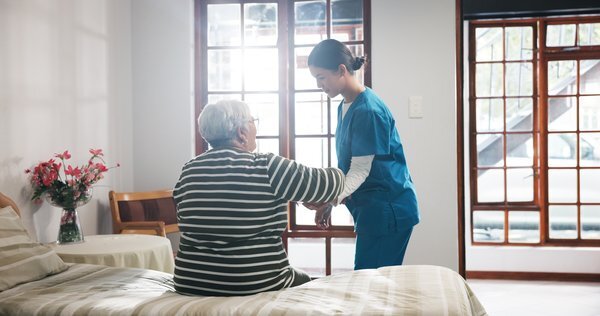
Watching a parent age can bring a mix of emotions, especially when you begin to notice subtle changes that raise parent living alone safety concerns. It is not always easy to determine when those changes signal a deeper need for support. Recognizing the signs a parent cannot live alone helps you take thoughtful, proactive steps before a serious situation arises.
These changes often happen gradually. What seems minor during a quick visit can reflect a larger pattern over time. Paying attention early gives your family the opportunity to explore options together and make decisions with confidence.
Declining Personal Hygiene and Household Upkeep
One of the most common warning signs a parent needs care is a noticeable shift in personal hygiene or the condition of their home. A parent who once took pride in daily routines may begin to struggle with basic upkeep.
You might notice:
- Wearing the same clothes repeatedly or difficulty with bathing and grooming
- Piles of mail, clutter, or unfinished household tasks
- Spoiled food, unwashed dishes, or persistent odors
- Neglected yard work or general home maintenance
These changes may point to physical limitations, memory challenges, or a combination of both. An aging parent home safety checklist should always include evaluating whether daily self-care and household responsibilities are becoming too difficult to manage.
Unexplained Bruises, Falls, or Mobility Issues
Frequent falls or unexplained injuries are clear signs that it may no longer be safe for a parent to live alone. Even if your loved one downplays these incidents, they should not be ignored. You may notice changes in how they move throughout the home, such as relying more on furniture for support or avoiding certain areas altogether.
Mobility concerns can increase fall risk quickly, especially in homes with stairs, loose rugs, or limited lighting. In contrast, Morada Waxahachie Assisted Living offers features like grab bars, accessible layouts, and support available throughout the day to help reduce these risks.
Medication Management Problems
Medication routines can become more complicated with age. If you find yourself wondering, “Is it safe for mom to live alone?” medication mistakes are often part of the answer.
You may face common issues like:
- Expired prescriptions still being used
- Missed doses or inconsistent schedules
- Taking the wrong dosage or at the wrong time
- Double-dosing due to forgetfulness
These challenges can lead to serious health consequences. In a supportive setting like assisted living, residents receive help managing medications, giving added peace of mind for families.
Social Withdrawal and Isolation
When considering when an aging parent should stop living alone, social isolation is an important factor. According to a AARP study, 40% of older adults feel socially isolated. A once-social parent may begin withdrawing from friends, hobbies, and daily routines. They may stop attending programs they once enjoyed or feel hesitant to leave home due to driving or mobility concerns.
Isolation can impact both emotional and physical well-being. Morada Waxahachie provides built-in opportunities for connection through daily programs, shared dining, and scheduled transportation, helping residents stay engaged and supported.
Confusion, Memory Loss, or Poor Judgment
Cognitive changes are among the most serious warning signs a parent needs care. While occasional forgetfulness is normal, more consistent confusion can create safety risks. These are some signs to watch for:
- Getting lost in familiar places
- Forgetting to turn off appliances or lock doors
- Making unusual financial decisions or falling for scams
- Repeating questions or missing important appointments
- Wandering or becoming disoriented at unusual times
These behaviors suggest that additional support may be necessary. Structured environments with consistent routines and trained team members can help residents feel more secure while maintaining dignity.
Making the Transition to Supportive Living
Recognizing the signs a parent cannot live alone is the first step toward creating a safer, more supportive future. Morada Waxahachie Assisted Living provides help with daily activities while preserving comfort, familiarity, and a strong sense of home.
Our residents benefit from:
- Homestyle meals and welcoming shared dining spaces
- Comfortable apartment homes with thoughtful layouts
- Daily programs that encourage connection and engagement
- A friendly, approachable environment that feels like family
If you are starting to notice changes, having an open and honest conversation can make all the difference. Schedule a tour to see how Morada Waxahachie can support your family.